

%20(1).png)
The latest episode in the ‘Meet the expert’ series: Jose Camacho, Director of Business Development
TRG Screen is widely known for helping financial institutions manage the complexity of market data. But the business also supports legal and other non-financial organizations, helping them to manage cost and usage of digital information and research services, streamline workflows and accurately allocate costs internally and to their own clients.
Jose Camacho, Director of Business Development - Legal Industry, leads that work. We spoke to him about his route into the role, the pressures facing legal library and knowledge management teams, and why trust matters more than a hard sell.
Tell us about your role at TRG Screen and what brought you to it.
I came to this side of the industry after spending much of my career working for vendors of legal information. I was often on the other side of the table, talking to customers about renewals and subscriptions of their information services.
What interested me about TRG Screen was seeing the value it gave customers. It brought independent data into those conversations that gave them the power to say: “This is what we are actually using. This is where we are getting value. This is where we are not.”
That felt like a very different and useful perspective to bring to the market.
TRG Screen is best known for market data program management in financial services. What does its legal sector capability bring to clients?
There are some clear parallels. Legal firms and professional services organizations are also managing complex portfolios of specialized digital tools, vendor contracts and user access. They need to understand what they are paying for, who is using it and whether it is delivering value.
The context is different, but the underlying challenge is familiar: bringing visibility and control to something that can otherwise become fragmented and difficult to manage.
We can give clients insight into how their digital subscriptions are being used and also help teams. Quest helps teams manage staff inquiries and workflows more effectively. Together, they help legal organizations make better operational and business decisions.
What is it about the legal sector that excites you?
It never stands still!
The tools evolve, the amount of data firms are dealing with grows nonstop, and the expectations placed on legal and knowledge teams keep increasing. But the aim is still the same: helping their staff find trusted information and using it to make better decisions.
The people I work with are often knowledge managers and information specialists. They have a huge amount to keep track of, from long-established research platforms to the latest AI tools that someone in the firm has heard about and wants to try.
That makes it an interesting space. You are not just talking about technology. You are helping our clients work out what is genuinely useful, what is worth investing in, and how to support the wider firm.
What are the biggest pressures facing those teams right now?
They’re under a lot of pressure to demonstrate value.
Many of the platforms firms rely on are expensive, particularly legal research tools and newer AI-enabled products. Teams need to be able to show that people are using them properly, that the investment is justified, and that there is no unnecessary duplication across the firm.
There is also pressure to be more efficient. Attorneys want quick access to reliable answers. Firms want to manage overheads carefully. And knowledge teams need to keep pace with a growing number of tools without losing control of the bigger picture.
How do you help clients turn that into a clear business case?
It comes down to having better data.
A vendor may be able to tell you that someone on your staff logged into a platform, but that does not necessarily tell you whether they used it meaningfully. They may have logged in, been pulled into a meeting and left it open all day. That’s just one of many examples.
Clients need a more accurate picture. They need to see where a subscription is genuinely adding value, where it is underused and where they may be able to consolidate contracts or rethink access.
That helps them have more informed conversations internally and with suppliers. It can also highlight when people are turning to free or unapproved sources instead of trusted tools the firm is already paying for.
The point is not to get any users in trouble or call them out. It is to help organizations make better choices about where they invest and how they support their people, and to ensure their staff know exactly which information services and tools are at their disposal.
Is there one piece of advice you find yourself giving clients repeatedly?
Never underestimate the value of understanding your data. Whether you are reviewing a contract, negotiating with a supplier or assessing a new technology, better insight leads to better decisions.
I have seen clients save money, improve service and uncover opportunities simply because they had a clearer view of what was happening across the organization.
You’re known for taking a relationship-first approach to working with clients. What does that look like in practice?
I do not see myself as someone who is there simply to sell a product. I am there to help clients solve a problem.
That starts with being honest. If I do not know the answer, I will say so and go away to find it. If I don’t think something is the right fit, I will say that too.
You can’t build trust overnight, but people know when you are being straight with them. They also know when you are trying to force a solution that does not make sense.
The best client relationships go beyond a transaction. You get to know people, find common ground and take an interest in what matters to them outside work. That is where trust really develops.
What motivates you most in your work?
Helping customers succeed.
That might mean helping them save money, improve a process, get more value from a platform they already have or make a more confident decision about what comes next.
When you have built a relationship over time and can see that you have genuinely helped someone, that is the most rewarding part of the job.
What might people be surprised to learn about you?
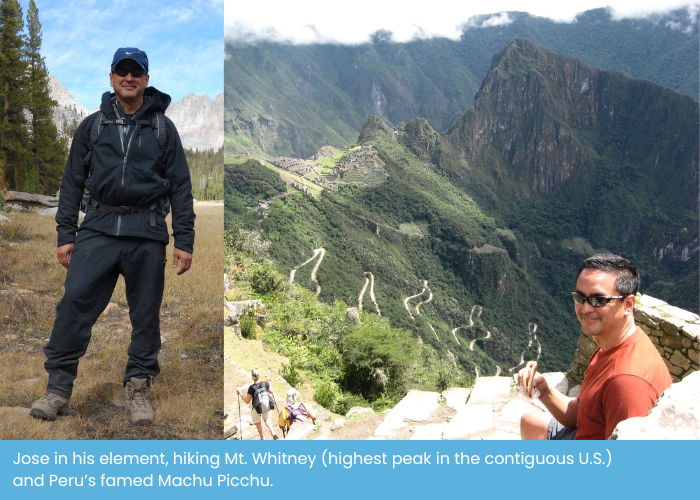
I am a big hiker. I have climbed Kilimanjaro, completed the Inca Trail to Machu Picchu, hiked Mount Whitney and climbed Santa María volcano in Guatemala.
I would not call myself an expert hiker, but being outside is a big part of how I reset. I like getting up early, meeting a friend and going for a long walk somewhere peaceful. It is a chance to get fresh air, talk about anything and everything, and clear your head.
I also practice vinyasa yoga. I discovered it during a difficult chapter in my life, and it has been part of my routine ever since. Beyond the physical benefits of strength and flexibility, I value the mindfulness it brings. The combination of movement and breath allows me to slow down, clear my mind, and be fully present. It has taught me that sometimes the greatest clarity comes from simply taking a moment to pause.
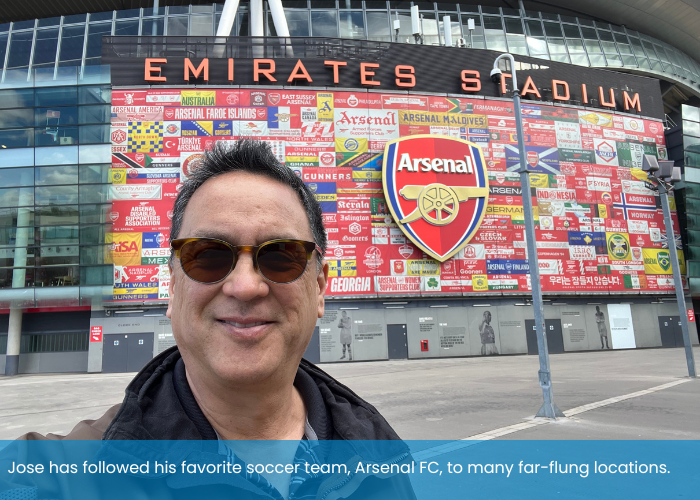
Outside of those activities, there's a good chance you'll find me watching sports—much to my wife's bewilderment! I've never met a sport I didn't enjoy, but my favorites are baseball, where I'm a lifelong Baltimore Orioles fan; American football, cheering on the Washington Commanders; and soccer (or football to the rest of the world). I'm especially enjoying the World Cup and am a proud and very happy supporter of Arsenal. "Come on you Gunners!"
How do you spend your time outside work?
Family is the most important thing to me.
As the oldest of five brothers, we've always made a conscious effort to stay close and spend time together. My children are grown up now, so family life looks a little different than it once did, but I cherish every opportunity to bring everyone together.
One of the greatest blessings in my life is the time I get to spend with my mom. She is 86 and lives in an assisted living community in Indiana, so I travel to see her regularly. I'm fortunate to have a job that allows me to work remotely, which means I can simply be with her—working from my laptop while sharing the same room and enjoying each other's company.
Those moments have reminded me that meaningful human connection doesn't always require conversation or grand gestures. Sometimes we watch game shows or old Westerns. Sometimes we sit quietly together. Just being present matters.
My mom also knows how much I enjoy hiking, so when I visit, I'll often take her for walks in her wheelchair. It's a simple thing to do, but one we both look forward to. Those walks remind me that some of life's most meaningful moments come from slowing down, spending time with the people we love, and appreciating the gift of simply being together.
Stay tuned for more expert insights in our Meet the Expert series, where we showcase the incredible talent behind TRG Screen and their contributions to the financial services industry.